
“Dr. Nowzaradan weight loss” is one of those searches where the real story is more interesting — and more restrictive — than most of what shows up online. Dr. Younan Nowzaradan, the Houston bariatric surgeon known from My 600-lb Life, does have a real, documented diet plan he uses with patients, described in his own book, The Scale Does Not Lie, People Do (2019). But it’s not a general-purpose weight loss plan, and treating it like one misses the point of what it’s actually designed to do.
What Is the Dr. Nowzaradan Diet, Really?
The “Dr. Now diet” is a short-term, medically supervised 1,200-calorie plan (sometimes adjusted between roughly 800 and 1,500 calories depending on the patient) that Dr. Nowzaradan prescribes to patients preparing for bariatric surgery. Its specific purpose is to produce rapid weight loss and shrink the liver before an operation, which reduces surgical risk for patients who are severely obese.
The core structure:
- About 1,200 calories per day for most patients, split across 2-3 meals with no snacking
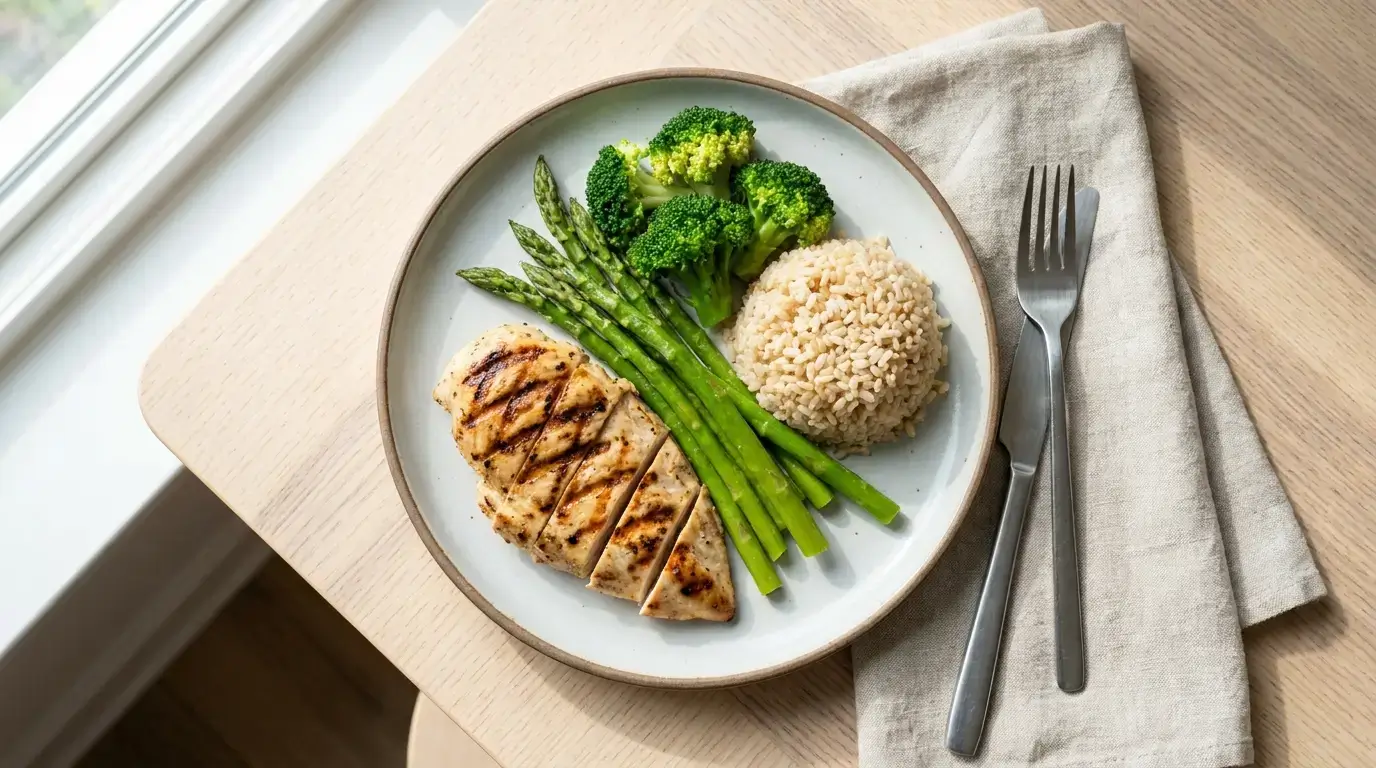
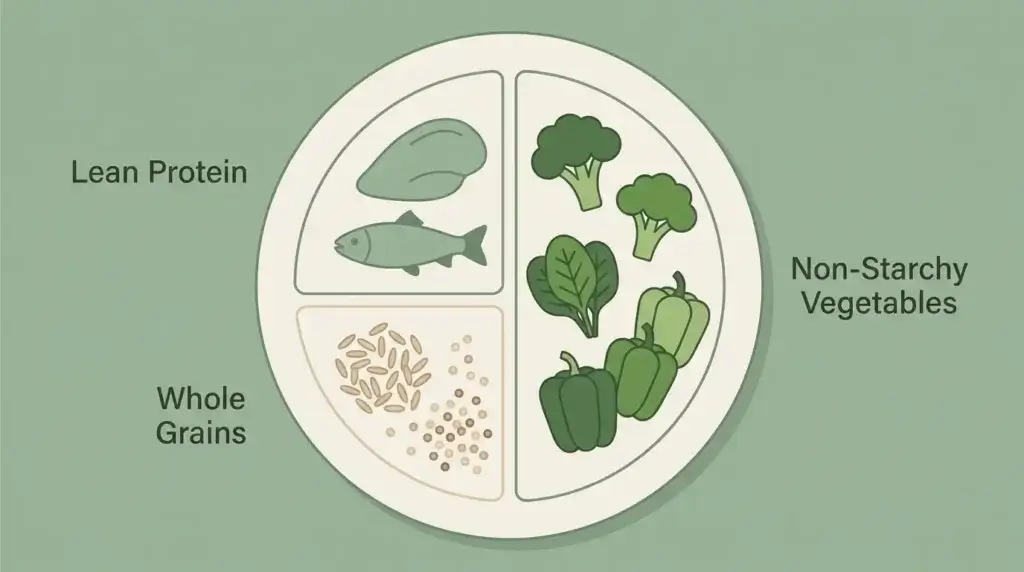
- High protein, low carbohydrate, low fat, built around lean meats, fish, egg whites, and non-starchy vegetables
- No added sugar and minimal refined carbohydrates
- Short-term by design — this is a pre-surgical protocol, not a long-term eating pattern
Why This Diet Isn’t Meant for General Use

This is the part most recap articles skip past, and it matters: Dr. Nowzaradan’s patients are typically severely obese, often immobile, and preparing for major surgery under direct medical supervision. The diet is intentionally aggressive because the goal is rapid pre-operative weight loss in a monitored clinical setting — not gradual, sustainable weight management for the general public.
Following an extremely low-calorie, highly restrictive diet without medical supervision carries real risk, including muscle loss, nutrient deficiencies, gallstones, and dangerously low energy levels — especially for anyone who isn’t under the specific clinical circumstances this plan was built for.
What You Can Actually Take From It
The underlying principles behind the Dr. Now diet are sound and worth borrowing, even if the extreme calorie restriction isn’t appropriate for most people:
High Protein at Every Meal
This is the single most transferable piece. Protein preserves muscle mass during weight loss and supports fullness. Our high-protein oatmeal and savory, no-sugar breakfast ideas follow this same logic without the extreme calorie floor.
Cutting Added Sugar and Refined Carbs
Eliminating added sugar is one of the most consistent recommendations across nearly every legitimate weight-focused eating pattern, this one included. Small, sustainable swaps go further than an all-or-nothing overhaul for most people.
Building Meals Around Vegetables and Lean Protein
Non-starchy vegetables paired with lean protein show up in essentially every credible medically supervised diet, not just this one. If you want a gentler, non-restrictive version of this same food pattern, our natural GLP-1 foods list covers similar ground with far less risk.
Portion Structure Without Extreme Restriction
Rather than copying the 1,200-calorie ceiling, most people are better served by a moderate calorie deficit paired with high protein and fiber — which is exactly the approach behind our best GLP-1 supplement guide and tirzepatide meal plan, both built around sustainable fullness rather than severe restriction.
A Safer, Inspired-By Approach for Everyday Use
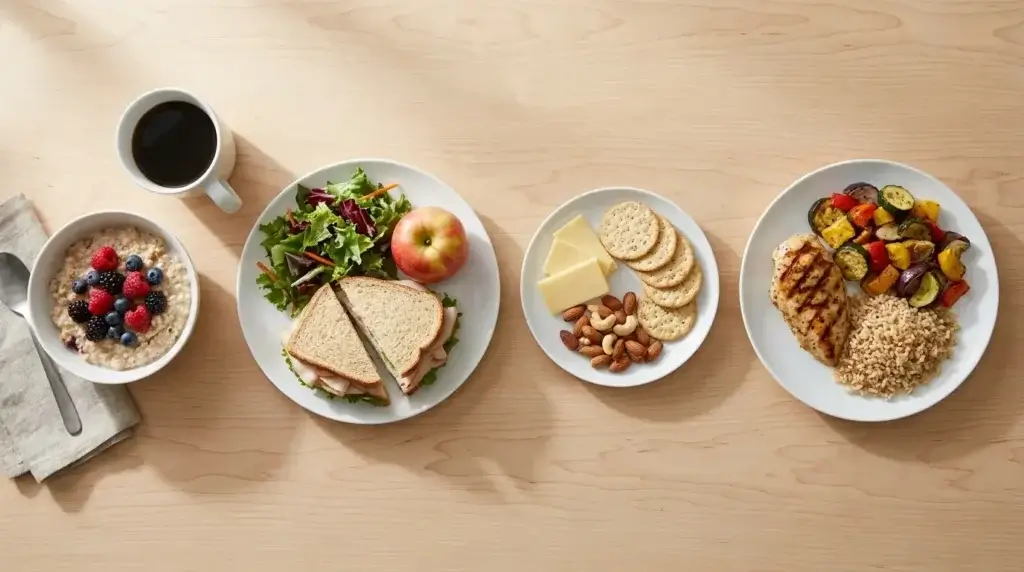
If the high-protein, low-sugar, whole-food structure of the Dr. Now diet appeals to you, a moderate version looks like:
- Breakfast: Egg whites with spinach, or high-protein oatmeal
- Lunch: Grilled lean protein with a large portion of non-starchy vegetables
- Snack: One of our high-protein snacks under 200 calories
- Dinner: Lean protein, vegetables, and a modest portion of whole grains
This keeps the useful structural elements — protein focus, low added sugar, vegetable-forward meals — without the extreme calorie restriction that makes the original version appropriate only under medical supervision.
FAQ
Is the Dr. Nowzaradan diet safe to follow on my own?
Not recommended without medical supervision. It was designed for severely obese patients preparing for bariatric surgery under close clinical monitoring, and the extreme calorie restriction carries real risks outside that specific context.
How many calories does Dr. Nowzaradan recommend?
Typically around 1,200 calories per day, though it’s individualized and can range from about 800 to 1,500 depending on the patient’s needs and surgical timeline.
What foods does the Dr. Now diet avoid?
Added sugar, fried and processed meats, high-sugar fruits, full-fat dairy, and refined carbohydrates like white bread, rice, and potatoes.
Can I get similar results with a less extreme approach?
Yes. A high-protein, low-added-sugar, vegetable-forward eating pattern with a moderate (rather than extreme) calorie deficit follows the same principles with meaningfully less risk for most people.
This article is for informational purposes only and is not medical advice. The Dr. Nowzaradan diet is a medically supervised pre-surgical protocol and should not be followed without guidance from a licensed healthcare provider. Talk to a doctor before starting any significant calorie-restricted diet.