
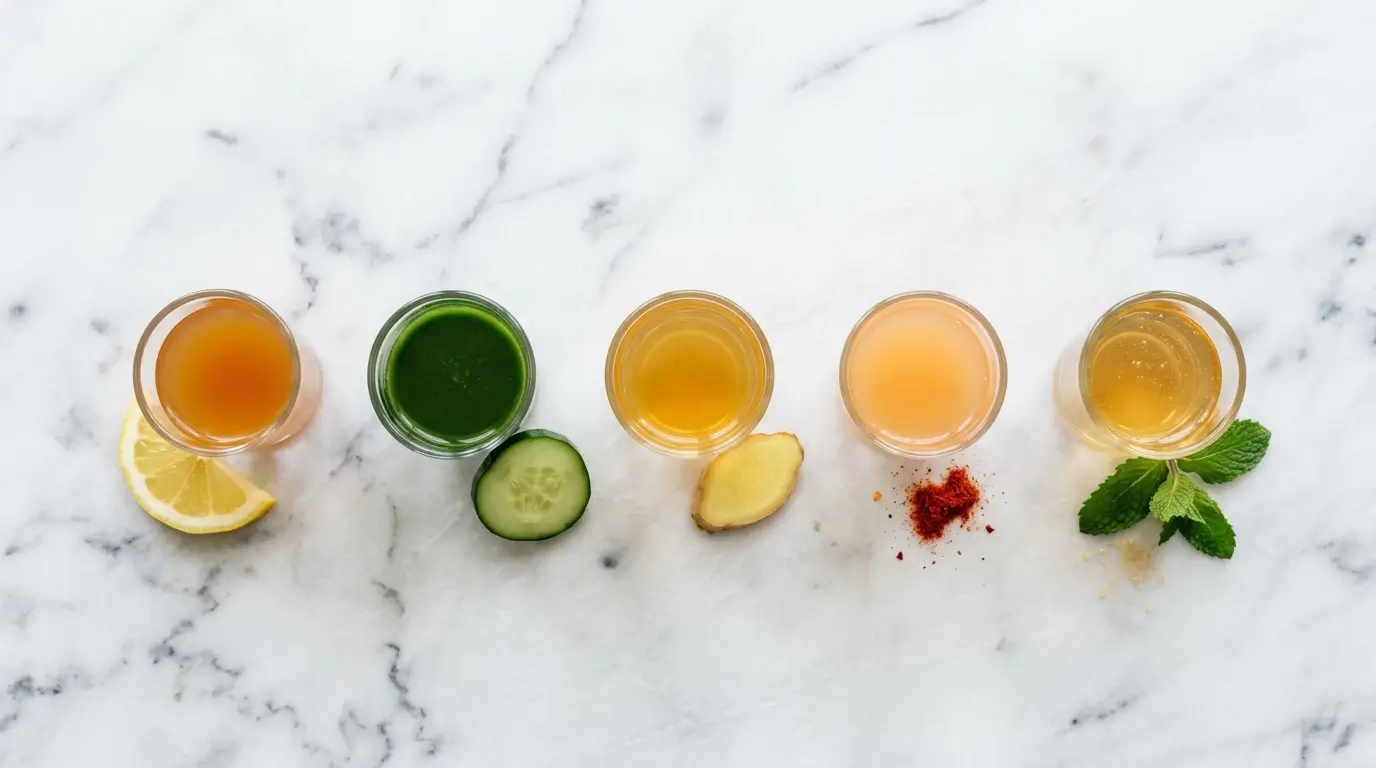
Appetite control juice is one of the most practical tools in any weight loss routine — a targeted drink consumed before meals that reduces hunger signals, slows digestion, and makes it easier to eat smaller portions without white-knuckling through cravings. Unlike meal replacement shakes or diet pills, appetite control juices work with your body’s natural satiety mechanisms — GLP-1 release, stomach stretch receptors, blood sugar stability — using real food ingredients that cost almost nothing per serving. This guide covers the five most effective appetite control juice recipes, the science behind each ingredient, and exactly when to drink them for maximum results.
What Makes a Juice Control Appetite?
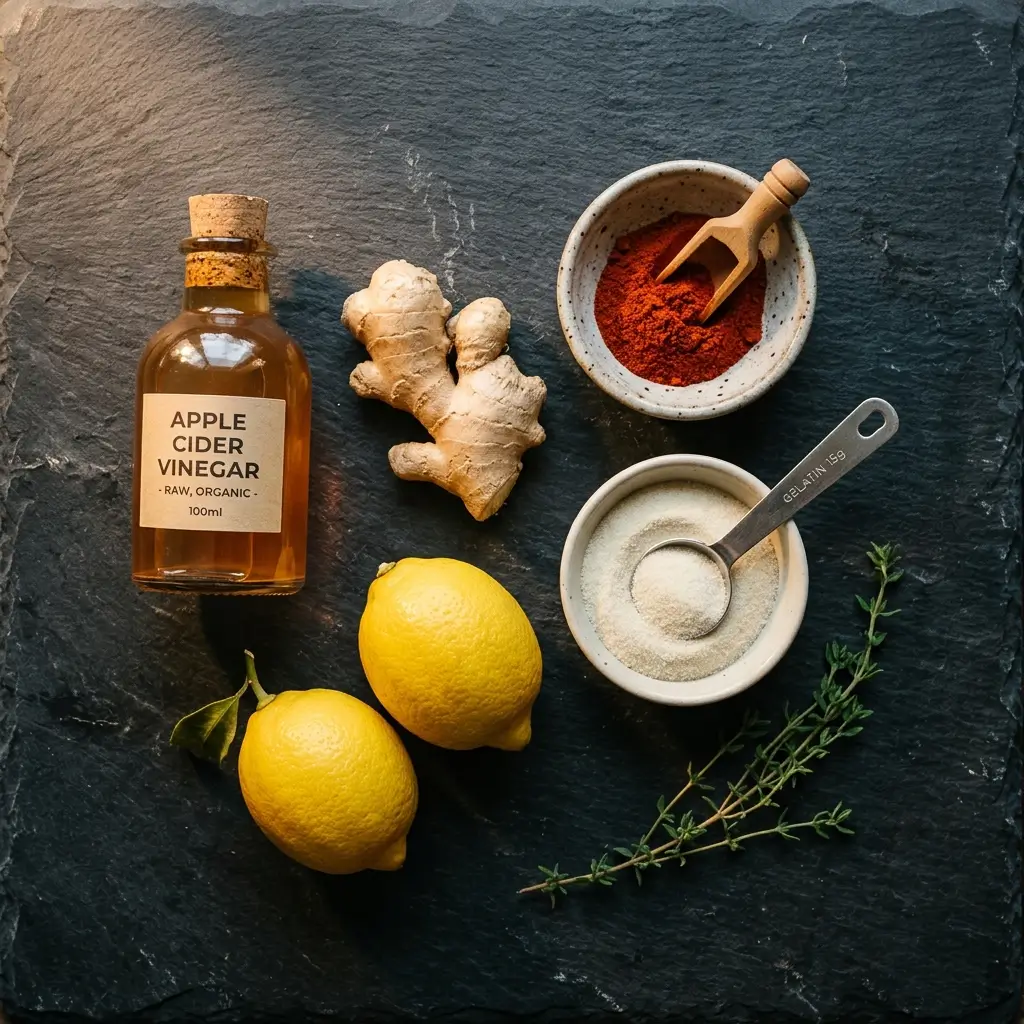
Not every juice reduces hunger — most commercial fruit juices do the opposite, delivering a sugar spike that triggers rebound hunger 45 minutes later. An effective appetite control juice shares four characteristics that separate it from a regular drink.
It stimulates GLP-1 naturally. GLP-1 (glucagon-like peptide-1) is the satiety hormone your gut releases in response to specific nutrients — particularly protein, fiber, and bitter compounds. Ingredients like gelatin, apple cider vinegar, ginger, and leafy greens all trigger GLP-1 production through different mechanisms. This is the same hormonal pathway targeted by Ozempic and Mounjaro — the difference is that food-based GLP-1 stimulation is gentler, completely free, and sustainable indefinitely. The natural GLP-1 protocol on this site covers this mechanism in full detail.
It slows gastric emptying. When food moves slowly from your stomach into the small intestine, you feel fuller for longer after meals. Apple cider vinegar, lemon juice, and fiber-rich ingredients all slow gastric emptying — flattening the blood sugar curve and extending the window of satiety after eating.
It has volume without calories. A pre-meal drink that fills part of the stomach before food arrives reduces how much food is needed to trigger stretch receptors — the physical fullness signals your stomach sends to the brain. This is why even plain water consumed before meals reduces calorie intake, and why adding appetite-active ingredients to that water amplifies the effect.
It does not spike blood sugar. A juice that contains natural sugar without fiber (like most commercial fruit juices) will cause a blood sugar spike that produces a rebound hunger crash. Every recipe below is formulated to keep the glycemic response flat.
Recipe 1 — The Pre-Meal Gelatin Appetite Shot
This is the most effective single appetite control preparation available. Gelatin delivers 6g of protein and glycine — the amino acid most directly linked to GLP-1 stimulation — in a 25-calorie pre-meal shot that takes 2 minutes to prepare.
 🌿 Blood Sugar Friendly
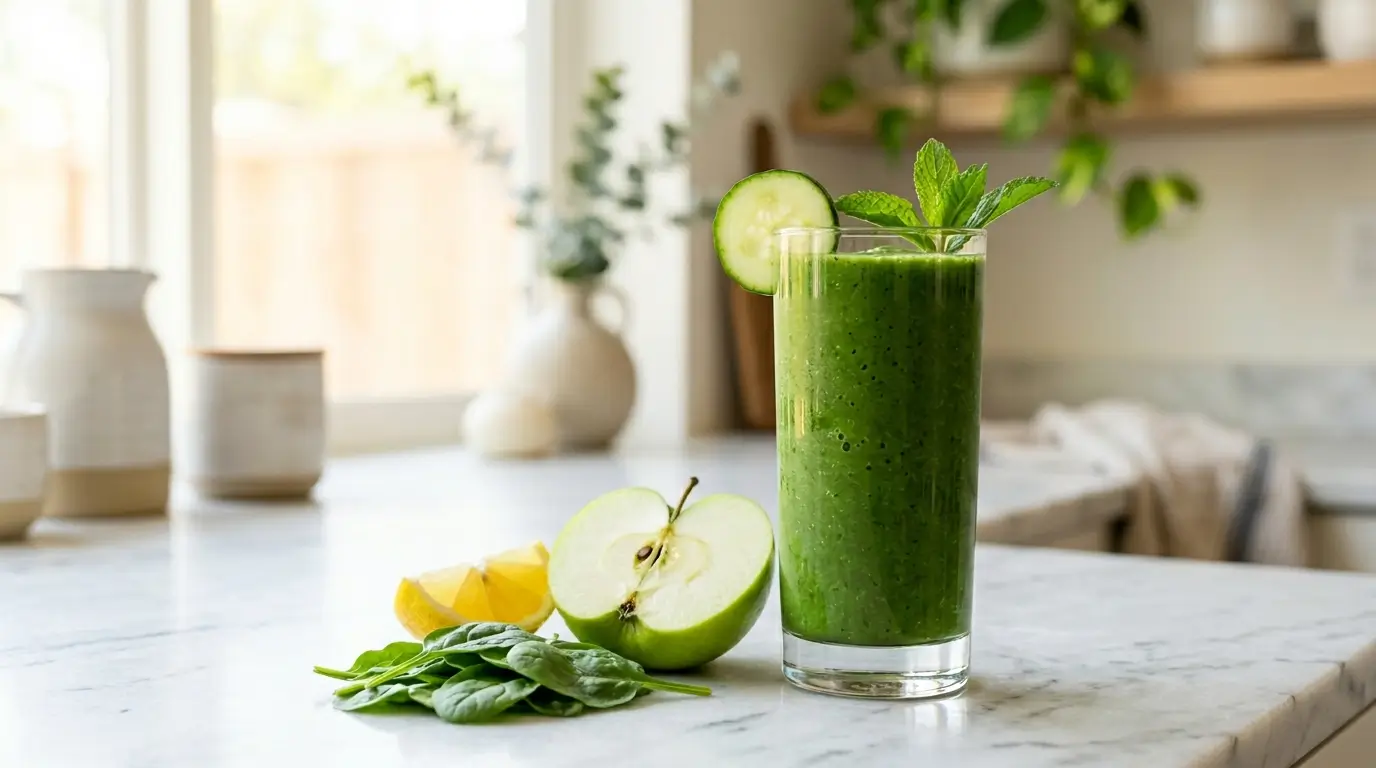
Spinach · Ginger · Turmeric · Green Apple · Lemon — 3 minutes, stable blood sugar for hours.
- 2 large handfuls fresh spinach (or baby kale)
- ½ cucumber, roughly chopped
- ½ green apple (natural sweetness, slow glycemic)
- 1 tsp fresh ginger, grated (or ¼ tsp ground)
- ¼ tsp ground turmeric
- 1 tbsp fresh lemon juice
- 1 cup unsweetened almond milk (or water)
- 1 tsp raw honey (optional)
- 4–5 ice cubes
Layer spinach and cucumber in the blender first for smooth blending.
Add green apple, ginger, turmeric, and lemon juice.
Pour in almond milk and add ice cubes.
Blend on high for 45–60 seconds until completely smooth.
Add honey if desired, blend 5 seconds more. Drink immediately.
Recipe 2 — The ACV Appetite Suppressant Juice
Apple cider vinegar is the most studied ingredient for pre-meal appetite control. Acetic acid — ACV’s active compound — slows gastric emptying, reduces the post-meal insulin spike, and suppresses appetite through direct interaction with hunger hormone pathways. Studies have shown that 1–2 tablespoons of ACV before the main meal of the day consistently reduces calorie intake at that meal.
Recipe: Mix 1 tablespoon ACV, juice of half a lemon, 1 tsp raw honey, and 8 oz cold water. Drink 10–15 minutes before eating. The honey counteracts ACV’s acidity and adds prebiotic compounds that feed the gut bacteria responsible for producing additional satiety signals.
Do not drink ACV undiluted — direct contact with tooth enamel at full concentration causes erosion. Always dilute in at least 6 oz of water. The apple cider vinegar weight loss routine covers the full daily protocol including safe dilution ratios.
Recipe 3 — The Green Appetite Control Juice
Green juices built on leafy vegetables — not fruit — are the most effective for sustained appetite control across the full day rather than just pre-meal. Leafy greens deliver magnesium (linked to insulin sensitivity), fiber (slows digestion), and thylakoids — compounds in chloroplasts that have been shown in studies to significantly delay gastric emptying and reduce hunger hormone (ghrelin) levels for up to 90 minutes.
Recipe: Blend 2 large handfuls fresh spinach, ½ cucumber, juice of 1 lemon, 1 tsp fresh grated ginger, ¼ tsp turmeric, and 1 cup cold water. Strain if desired. Drink as a breakfast replacement or mid-morning appetite bridge.
The ginger in this juice deserves specific mention: gingerols and shogaols both activate thermogenesis and suppress appetite through a different pathway than ACV or gelatin — making this recipe genuinely additive to the pre-meal shot rather than redundant. The dementia prevention spice blend stacks with this recipe for a broader anti-inflammatory and cognitive support protocol.
Recipe 4 — The Ginger Lemon Hunger Suppressant
Ginger is one of the most consistently documented natural appetite suppressants in clinical research. Fresh ginger consumed before meals reduces subjective hunger ratings, increases feelings of fullness, and reduces calorie intake at the following meal. Lemon juice adds vitamin C, supports liver detoxification, and slows gastric emptying. Together they create a simple two-ingredient juice base that works as a standalone appetite control drink.
Recipe: Brew a 2-inch piece of fresh ginger in 1 cup of hot water for 5 minutes. Remove ginger. Add juice of 1 lemon and 1 tsp raw honey. Drink warm 15–20 minutes before a meal. For a cold version, refrigerate and serve over ice.
This recipe stacks naturally with the clove tea benefits protocol — cloves add eugenol, which independently slows gastric emptying and adds an additional layer of appetite control.
Recipe 5 — The Cayenne Hunger Blocker Juice
Cayenne pepper’s appetite-control mechanism is the most dramatic of any single ingredient — but also the most transient. Capsaicin activates TRPV1 receptors in the gut, triggering a rapid GLP-1 release and reducing calorie intake at the following meal by an average of 74 calories in clinical studies. The effect is strongest in the first 30 minutes after consumption and fades over time with daily use as tolerance builds, which is why rotating cayenne-based drinks with other protocols produces better long-term results than using it exclusively.
Recipe: Mix ¼ tsp cayenne pepper, juice of 1 lemon, 1 tsp raw honey, 1 pinch black pepper, and 8 oz warm water. Drink 15–20 minutes before the largest meal of the day. The full protocol — including watermelon and olive oil combinations — is covered in the cayenne pepper trick article on this site.
When to Drink Appetite Control Juice for Best Results
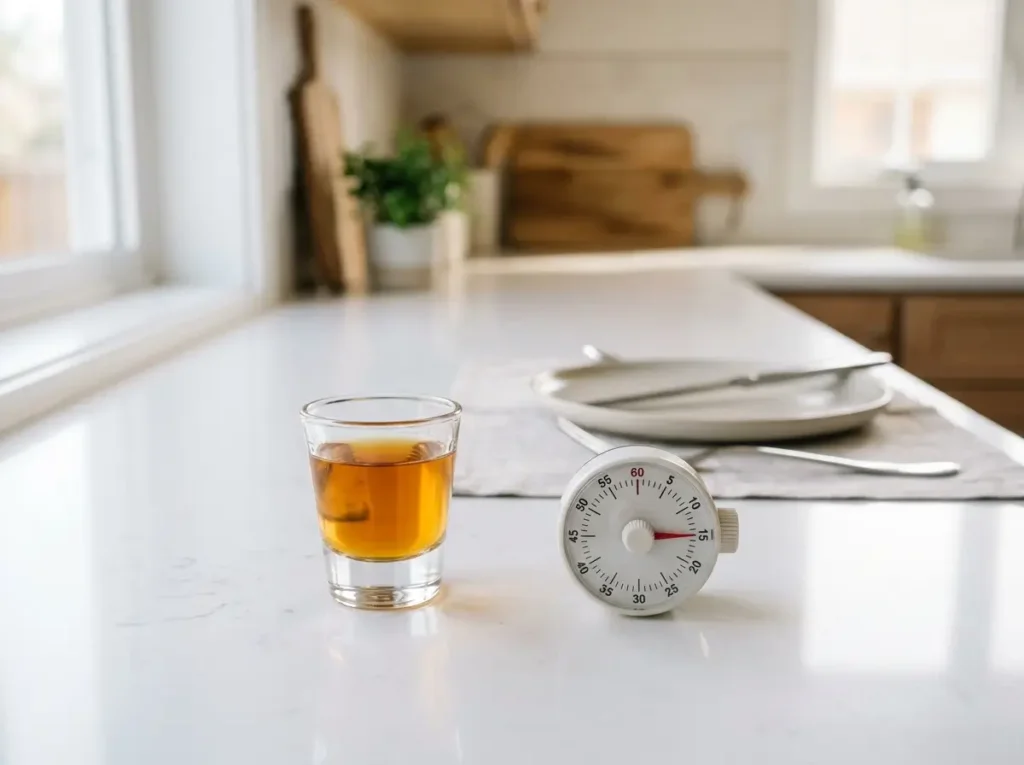
Timing is the most important variable — and the most overlooked. The same recipe produces dramatically different results depending on when it is consumed.
15–20 minutes before meals is the optimal window for appetite control. This gives GLP-1-stimulating ingredients time to enter the bloodstream before food arrives, and allows the stomach volume effect to establish before eating begins. Taking the same drink with or after a meal produces a fraction of the appetite-suppressing effect.
Morning on an empty stomach is the second most effective window — not for pre-meal appetite control but for metabolic activation and blood sugar priming. An ACV or cayenne shot first thing in the morning improves insulin sensitivity and sets a lower blood sugar baseline for the entire day, reducing the intensity of hunger signals across all meals.
Before the largest meal of the day is the highest-leverage single daily habit. For most people this is dinner. One appetite control shot before dinner, taken consistently for 4 weeks, produces measurable reductions in total daily calorie intake without requiring any conscious restriction at other meals.
Avoid immediately before bed — ginger and cayenne can cause sleep disruption in some people when taken within 2 hours of sleep. The gelatin shot is the exception: glycine from gelatin has documented sleep-improving effects and can be taken before bed without disruption.
The Best Ingredients for Appetite Control Juice
The most effective appetite-suppressing ingredients share a common feature: they work through documented biological mechanisms rather than through vague “detox” claims.
Apple cider vinegar — slows gastric emptying, stabilizes blood sugar post-meal, suppresses appetite through acetic acid. Documented in multiple RCTs.
Unflavored gelatin — triggers GLP-1 release through glycine, creates pre-meal stomach volume, provides 6g of protein at 25 calories. The foundational ingredient in every bariatric and weight loss gelatin protocol.
Ginger — reduces subjective hunger ratings, activates thermogenesis, suppresses ghrelin (the primary hunger hormone).
Lemon juice — slows gastric emptying through citric acid, adds vitamin C, improves palatability of ACV and gelatin.
Cayenne pepper — triggers rapid GLP-1 release through capsaicin, reduces calorie intake at following meal, boosts metabolism through thermogenesis.
Leafy greens — deliver thylakoids that delay gastric emptying, provide magnesium for insulin sensitivity, add fiber that extends satiety.
Frequently Asked Questions
Appetite Control Juice — Complete Guide