

Apple cider vinegar has been used for weight management for centuries — and in 2026, searches for it are climbing again. The question most people arrive with is reasonable: is this genuinely useful, or is it one of those remedies that feels credible but doesn’t hold up to scrutiny?
The honest answer sits somewhere between the enthusiastic claims and the dismissive scepticism. ACV is not a fat-melting elixir. It is also not a placebo. It works — modestly, through specific mechanisms, at specific doses, at specific times — and understanding exactly how it works makes the difference between using it effectively and being disappointed by it.
This article covers the real science, the actual clinical results, the correct protocol, the important safety caveats, and how ACV fits alongside other natural approaches to weight management.
What Is Apple Cider Vinegar?
Apple cider vinegar is made from fermented apple juice. The fermentation happens in two stages: yeast first converts apple sugars into alcohol, then bacteria convert the alcohol into acetic acid — the compound that gives vinegar its sharp taste and is responsible for virtually all of its documented health effects.
Raw, unfiltered ACV contains what’s known as “the mother” — a cloudy sediment of beneficial bacteria, enzymes, and proteins left over from fermentation. Most research and traditional use recommends choosing raw ACV with the mother visible at the bottom of the bottle, as it contains additional prebiotic and probiotic compounds beyond acetic acid alone.
The acetic acid concentration in typical ACV is around 5–6%. This is the active ingredient in every mechanism discussed below.
How Apple Cider Vinegar Works for Weight Loss: 4 Mechanisms
Mechanism 1: Appetite suppression through delayed gastric emptying
Acetic acid slows the rate at which food leaves the stomach — a process called gastric emptying. When the stomach empties more slowly, the stretch receptors that signal fullness to the brain stay activated for longer, and you feel satisfied for a greater portion of the time after eating.
Studies have found that people who consume ACV before meals report feeling more satisfied and consuming fewer calories overall. The effect is real, though not dramatic — it reduces appetite at the margin rather than eliminating hunger entirely.
This is the same general mechanism behind the gelatin trick for weight loss, which slows gastric emptying through a different compound (glycine). Both work on the satiety side of the calorie equation rather than on energy expenditure.
Mechanism 2: Blood sugar and insulin regulation
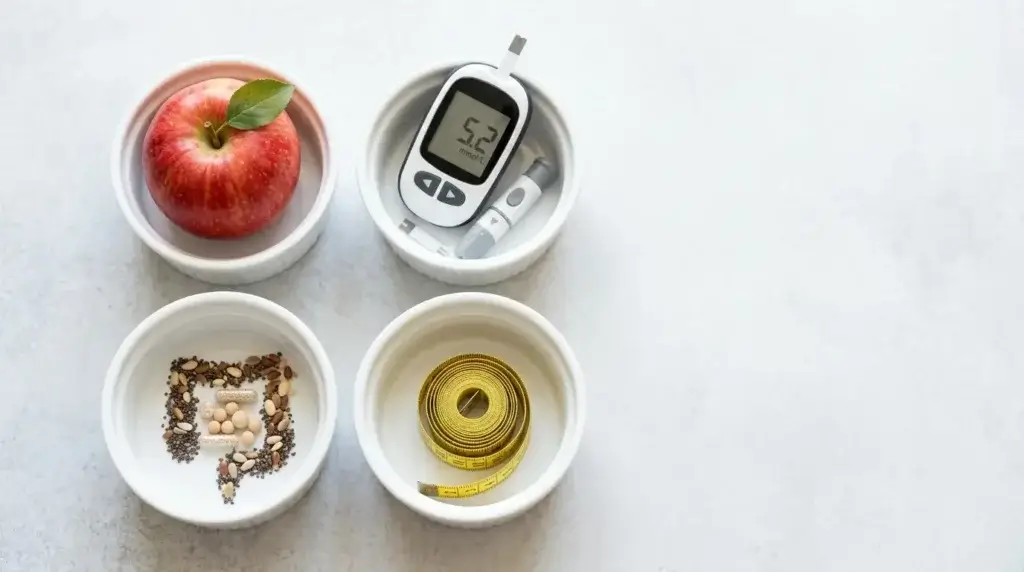
This is the most consistently researched effect. Acetic acid reduces the activity of enzymes that digest starch, which slows the conversion of carbohydrates into glucose in the bloodstream. The result is a flatter post-meal blood sugar curve — fewer spikes, fewer crashes, and fewer of the hunger signals that follow a crash.
Clinical studies have found that consuming ACV before or with a carbohydrate-heavy meal can reduce post-meal blood sugar spikes by up to 34%. For context, this is the same glucose-stabilising principle that makes GLP-1 supporting recipes effective — both approaches slow the glucose response, which reduces insulin output and therefore fat storage.
For people managing insulin resistance, prediabetes, or type 2 diabetes, this effect has direct clinical relevance beyond weight management.
Mechanism 3: Visceral fat reduction
The 2009 Japanese clinical trial that remains the most cited in this space followed 175 participants over 12 weeks. Those consuming one or two tablespoons of vinegar daily lost modest but measurable weight (two to four pounds more than controls) and showed lower triglyceride levels. Critically, the reduction was specifically in visceral fat — the metabolically active abdominal fat linked to metabolic syndrome, diabetes risk, and cardiovascular disease.
A 2025 meta-analysis pooling data from ten randomised controlled trials (789 total participants) confirmed the finding: daily ACV intake significantly reduced body weight, BMI, and waist circumference. The effects were consistent enough to survive sensitivity analysis when high-risk studies were excluded.
This visceral fat targeting connects to the same pathway discussed in does gelatin help lose belly fat — abdominal fat responds particularly well to interventions that address insulin sensitivity and glucose regulation.
Mechanism 4: Gut health support
Raw ACV contains prebiotic compounds and traces of the beneficial bacteria involved in fermentation. Regular consumption has been associated with positive changes in gut microbiome composition — supporting the beneficial bacteria that regulate metabolism, inflammation, and appetite signals.
This is a secondary mechanism compared to the acetic acid effects, but it matters for the long-term picture. A healthy gut microbiome produces short-chain fatty acids that support insulin sensitivity and reduce systemic inflammation — both of which contribute to a metabolic environment that makes weight maintenance easier. This is the same logic behind incorporating probiotic drinks as part of a broader metabolic health approach.
What the Research Actually Shows: Honest Numbers

The 2025 meta-analysis (the most comprehensive to date) reported these pooled results across 789 participants:
- Statistically significant reduction in body weight
- Statistically significant reduction in BMI
- Statistically significant reduction in waist circumference
- No significant effect on other body composition measures (lean mass, hip circumference)
The Lebanese double-blind randomised trial (120 participants, 12 weeks) found significant reductions in body weight, BMI, waist and hip circumference, body fat ratio, and fasting blood glucose across all three dose groups (5ml, 10ml, and 15ml daily). The 15ml group showed the strongest results.
Harvard Health’s assessment is appropriately calibrated: a 2009 trial showed modest weight loss (2-4 lbs over 12 weeks) compared to placebo. The results are real and statistically meaningful — but they represent an adjunct to lifestyle changes, not a standalone solution.
The honest framing: ACV consistently produces measurable improvements in the metabolic markers most relevant to weight management — blood sugar, insulin sensitivity, visceral fat, and appetite regulation. The scale impact on its own is modest. The metabolic impact, particularly for people dealing with insulin resistance, is more significant.
The Correct Dosage
Based on clinical research:
Amount: 1 to 2 tablespoons (15–30ml) per day Dilution: Always mixed into at least 200ml of water — never consumed undiluted Frequency: Split across 2–3 doses throughout the day rather than one large dose
The dose-response relationship is real — 2 tablespoons per day outperforms 1 tablespoon in studies. But more is not better beyond this threshold. Consuming more than 2 tablespoons daily increases the risk of tooth enamel erosion, esophageal irritation, potassium depletion, and interactions with certain medications.
About ACV tablets: Most research has been conducted with liquid ACV. Tablet forms vary enormously in acetic acid content and bioavailability, and at least one published case report documented esophageal injury from a tablet getting stuck. Liquid, properly diluted, is the safer and better-studied format.
Best Time to Drink Apple Cider Vinegar for Weight Loss
Timing significantly affects which benefits you access:
15–20 minutes before your largest meal This is the most consistently recommended timing across the research. It primes the digestive system to slow glucose absorption from the upcoming meal, and it activates the appetite-suppressing effect of gastric emptying delay before hunger peaks. If you eat one particularly carbohydrate-heavy meal per day, this is the one to time ACV around.
With meals (alternative) For people who find pre-meal ACV causes nausea on an empty stomach, consuming it alongside food works almost as well for blood sugar regulation — just slightly less effective for appetite suppression.
Morning on an empty stomach Popular in wellness circles, this timing delivers the gut health and metabolism benefits but is harder on the stomach lining than the pre-meal approach. If you choose morning timing, eat something small within 20 minutes.
What to avoid: Taking ACV right before bed or immediately after brushing teeth. The acidity can cause reflux when lying down and undoes the protective effect of tooth brushing.
The timing principle is the same as the logic behind when to take gelatin for weight loss — both work best when consumed in advance of meals rather than at random points in the day.
How to Drink It: Recipes That Make It Palatable
Plain ACV in water is effective but difficult to enjoy consistently. These combinations improve compliance without undermining the active mechanisms:
Basic ACV drink Mix 1–2 tablespoons of raw ACV into 250ml of cold or warm water. Add a squeeze of lemon. Drink 15 minutes before your main meal.
Warm ACV morning tonic 1 tablespoon ACV, 250ml warm water, a small slice of fresh ginger, 1 teaspoon honey. Sip slowly 20 minutes before breakfast. The ginger adds anti-inflammatory benefit and the honey takes the edge off the acidity without meaningfully spiking blood sugar at that small quantity.
ACV and cinnamon blood sugar support drink 1 tablespoon ACV, 250ml water, a pinch of cinnamon, optional squeeze of lemon. Cinnamon has its own documented blood sugar-stabilising effect, making this combination particularly useful before carbohydrate-heavy meals.
Cold ACV spritzer 1 tablespoon ACV, 200ml sparkling water, lemon slice, fresh mint. A more refreshing option for warmer months. Effective at the same dosage as the warm versions.
All of these pair naturally with the appetite-suppressing drinks approach — rotating ACV drinks alongside other satiety-supporting beverages prevents flavour fatigue.
Side Effects and Who Should Be Careful
ACV is safe for most adults at the recommended dosage. Important caveats:
Tooth enamel erosion The most well-documented risk of regular ACV use. Always dilute, drink through a straw when possible, and wait at least 30 minutes after drinking before brushing teeth. Brushing immediately after an acidic drink removes softened enamel.
Esophageal irritation Undiluted ACV is caustic. Always dilute. Full stop.
Drug interactions ACV can lower blood sugar and blood pressure — people on medication for either condition should consult their doctor before adding it regularly. It can also interact with diuretics and insulin.
Potassium depletion High doses over extended periods have been associated with low potassium levels (hypokalemia). This is a risk at doses above the recommended 1–2 tablespoons, not at standard amounts.
Digestive sensitivity Some people experience nausea or digestive discomfort when starting ACV, particularly on an empty stomach. Starting with 1 teaspoon diluted in plenty of water and building up gradually over two weeks usually resolves this.
Pregnancy and breastfeeding Raw ACV with the mother contains live bacteria. Standard medical advice is to avoid unpasteurised fermented products during pregnancy. Pasteurised ACV in small amounts is generally considered safe, but consult your healthcare provider.
ACV vs The Gelatin Trick: How They Compare and Why They Work Together

This is the comparison most relevant to readers of this site, because both approaches target the same outcome through overlapping mechanisms.
| Apple Cider Vinegar | Gelatin Trick | |
|---|---|---|
| Active compound | Acetic acid | Glycine |
| Primary mechanism | Slows gastric emptying, blood sugar blunting | GLP-1 stimulation, protein-induced satiety |
| Effect on gut | Prebiotic, microbiome support | Gut lining support, glycine-mediated |
| Visceral fat | Direct evidence (10 RCTs) | Emerging evidence via GLP-1 pathway |
| Cost per serving | ~$0.10–0.20 | ~$0.30–0.60 |
| Best timing | 15–20 min before meals | 20–30 min before meals |
| Tolerance | Some stomach sensitivity | Generally well-tolerated |
The two approaches are complementary rather than competing. ACV works primarily through blood sugar blunting and gastric emptying delay. The gelatin trick works primarily through direct GLP-1 stimulation and protein-induced satiety signalling. Taking both before the same meal stacks two different mechanisms targeting the same outcome — appetite regulation and visceral fat reduction.
This is the same stacking principle behind products like Jelly Tide, which combines ACV and BHB in gummy form. The logic of combining ACV with other satiety compounds is well-founded — the execution just doesn’t need to cost $49 a bottle.
For a sodium-based alternative, see how baking soda and lemon juice for weight loss compares in terms of mechanism and evidence.
ACV vs Other Trending Weight Loss Drinks
Apple cider vinegar sits in a broader category of natural metabolic support beverages, each with a distinct mechanism:
Clove tea works primarily through anti-inflammatory and blood sugar-stabilising compounds (eugenol). It supports metabolic function through a completely different pathway from ACV — the two can be rotated throughout the day without overlap.
Lulutox detox tea takes a herbal blend approach with mixed evidence. ACV has a stronger individual evidence base for the specific outcomes it targets.
The buckwheat tea approach (rutin, quercetin, catechins) works on antioxidant and blood sugar pathways with some overlap to ACV’s glucose mechanism — both slow post-meal glucose absorption, though through different compounds.
None of these replace a dietary approach. All are most effective as daily additions to a pattern that already includes whole foods and reasonable protein intake — the same foundation that underpins the low-calorie food strategy and the 7-day gelatin plan.
Frequently Asked Questions
How much weight can you lose with apple cider vinegar?
Based on clinical trials: typically 2–4 lbs more than controls over 12 weeks at 1–2 tablespoons per day, alongside a calorie-controlled diet. The metabolic benefits — visceral fat reduction, blood sugar stability, improved insulin sensitivity — are more significant than the scale number alone suggests.
Does apple cider vinegar burn belly fat specifically?
The research suggests yes, specifically visceral fat (abdominal fat around organs), rather than subcutaneous fat (under-skin fat). This is the clinically more important type to reduce, as visceral fat drives insulin resistance and metabolic syndrome.
When is the best time to drink ACV for weight loss?
15–20 minutes before your largest meal. This timing maximises both the appetite-suppressing and blood sugar-blunting effects.
Can I take ACV every day?
Yes, at 1–2 tablespoons per day diluted in water. Daily use is both safe and more effective than intermittent use — the gut health and insulin sensitivity benefits build over time.
Is ACV with "the mother" better?
Yes, for gut health benefits. The mother contains live bacteria and enzymes with prebiotic value. For acetic acid mechanisms (blood sugar, appetite, fat metabolism), both filtered and unfiltered work equivalently.
Can I mix ACV with the gelatin trick?
Yes — they work through different mechanisms and complement each other well. ACV 15–20 minutes before a meal, followed by a gelatin drink 5–10 minutes before eating, stacks gastric emptying delay with direct GLP-1 stimulation.
What happens if I drink too much ACV?
Above 2 tablespoons per day, risks include tooth enamel erosion, esophageal damage, potassium depletion, and drug interactions. More is not more effective — stay within the clinical dosage range.
The Bottom Line
Apple cider vinegar works for weight loss — modestly and specifically. It reduces visceral fat, blunts post-meal blood sugar spikes, supports insulin sensitivity, and contributes to appetite regulation through gastric emptying delay. Ten randomised controlled trials and a 2025 meta-analysis confirm these effects consistently.
What it does not do is replace a dietary approach or produce dramatic results on its own. Two tablespoons per day, diluted, taken before meals, is the evidence-based protocol. Starting with one teaspoon and building up avoids the digestive discomfort that makes people abandon it in week one.
The most effective approach combines ACV’s blood sugar and gastric emptying mechanisms with complementary satiety tools. Taking ACV before meals alongside the gelatin trick addresses both the blood sugar pathway and the GLP-1 pathway simultaneously — a stacked approach that outperforms either intervention alone, at a combined cost of under $1 per day.
This article is for informational purposes only. Apple cider vinegar is a food product, not a medication. Consult a healthcare provider before regular use if you take prescription medications, manage diabetes or blood pressure, or have a history of digestive issues.