
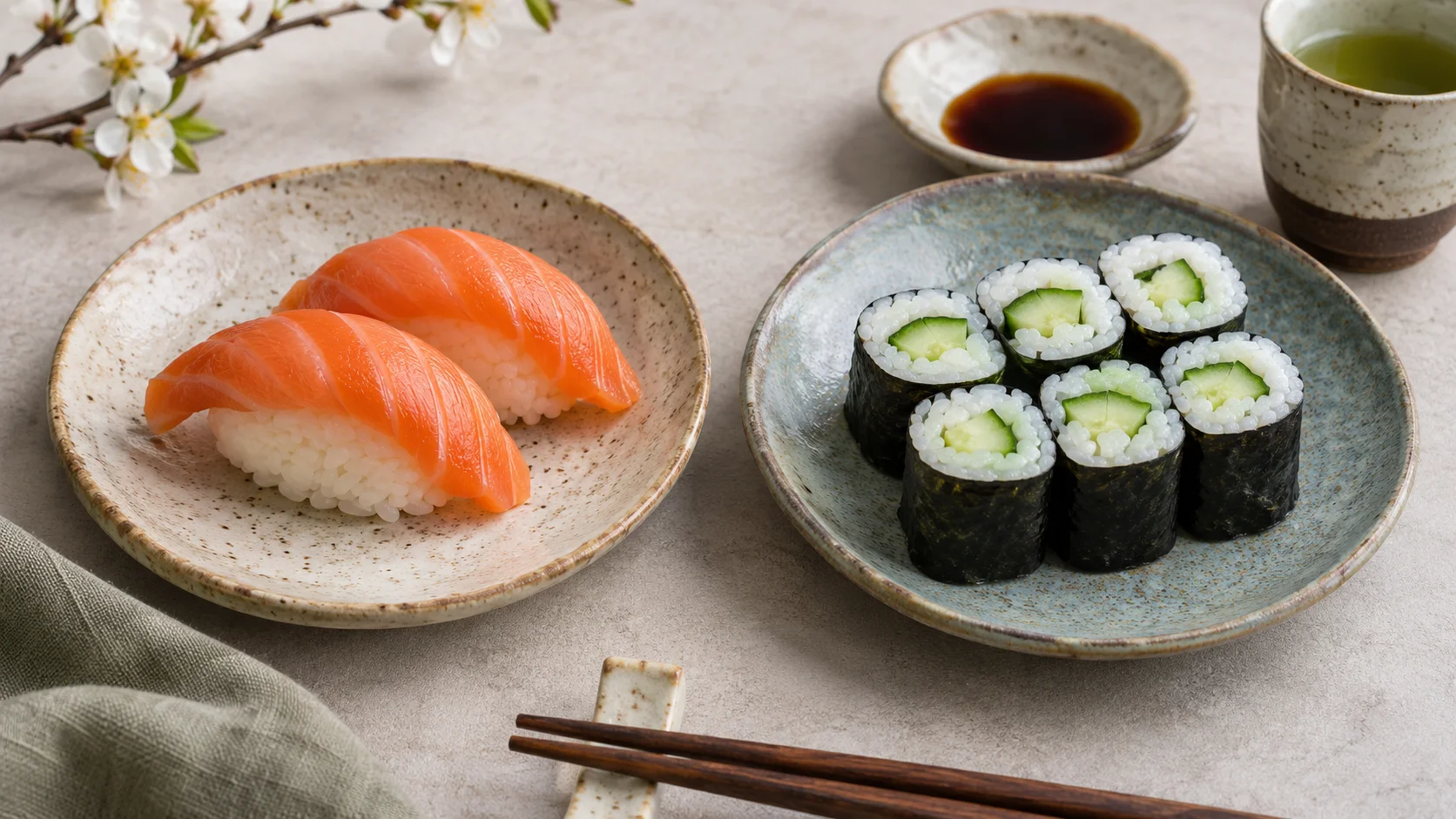
The difference between nigiri and maki is how the sushi is assembled: nigiri has a topping over a small hand-shaped mound of vinegared rice, while maki is rolled with rice and fillings, then usually sliced. Both are sushi. Neither name tells you whether the seafood is raw or cooked.
On a menu, look for the shape first: an exposed topping over rice suggests nigiri; a cut piece showing rice and filling inside a wrapper suggests classic maki. Inside-out rolls are an important exception because their rice is on the outside.
Nigiri vs Maki: Quick Comparison
| Feature | Nigiri | Maki |
|---|---|---|
| Basic structure | Topping over hand-shaped sushi rice | Rice and filling formed into a roll |
| Shape on the plate | Usually an oval mound with a topping | Usually sliced rounds or sections |
| Nori seaweed | Often absent; a narrow strip can secure a topping | Usually surrounds classic rolls; inside the rice in uramaki |
| Typical example | A salmon slice over rice | Cucumber filling inside a nori-wrapped rice roll |
| Raw fish required? | No | No |
| Menu portion | Often priced by piece or a small set | Often sold as a roll or a set of cut pieces |
| Main skill at home | Shaping rice and fitting the topping | Distributing filling, rolling and slicing |
What Is Nigiri?
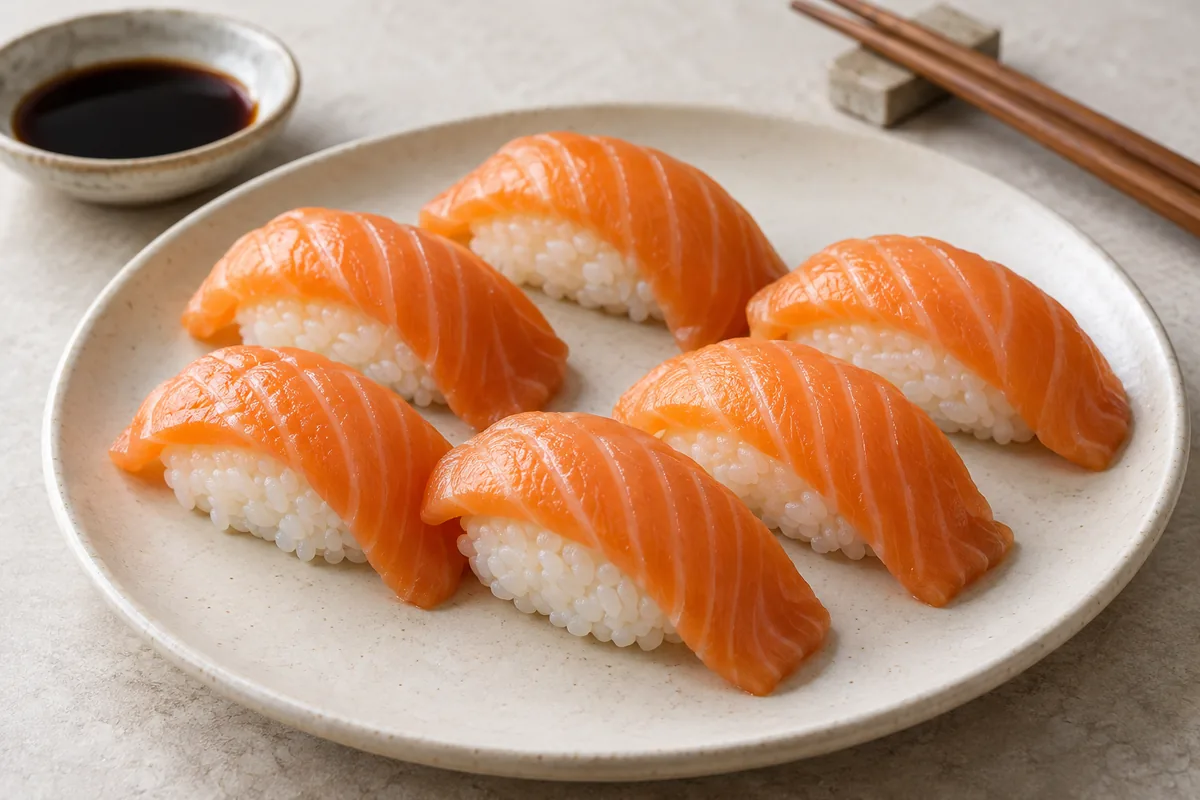
Nigiri, or nigirizushi, is shaped by hand and served with a topping resting on the rice. It is not a sliced section of a long roll. The topping can be fish, shellfish, omelet or another suitable ingredient.
A small amount of wasabi may sit between the rice and topping, and some pieces use a thin nori band to hold everything together. The visible structure is still a topping over a rice mound.
Our guide to what nigiri is explains the terminology and common toppings. For specific examples, see salmon nigiri and the differences between toro, chutoro and otoro.
What Is Maki?
Maki means rolled sushi in this menu context. In a classic nori-wrapped roll, rice is spread over seaweed, a filling is placed along it, and the assembly is rolled into a cylinder before cutting.
Kikkoman’s sushi glossary distinguishes thin hosomaki from thick futomaki. The Japan Ready-made Meal Association’s rolled-sushi guide also describes these variations.
- Hosomaki: a thin roll, commonly with one central filling, such as cucumber.
- Futomaki: a thicker roll that can contain several fillings.
- Uramaki: an inside-out roll, with rice outside the nori.
- Temaki: a hand-rolled cone rather than the sliced cylinder people often mean by “maki.”
The Japan National Tourism Organization’s sushi guide explains the relationship between nigiri, rolled sushi and these other presentations. Restaurant menu labels can vary, so ask what is included.
How Do Nigiri and Maki Taste Different?
Compare the actual ingredients rather than expecting every piece of either style to taste the same. Salmon nigiri and cucumber maki have different toppings or fillings; that difference matters as much as their shape.
With nigiri, you taste the exposed topping and seasoned rice together. With maki, each cut piece combines its rice, filling and wrapper. A plain cucumber roll is a different experience from a large roll with fried seafood, mayonnaise and sauce.
For a useful tasting comparison, order a simple salmon nigiri alongside a simple salmon roll, using similar amounts of soy sauce. That keeps the main ingredient similar while letting you notice the nori and the distribution of rice.
Are Nigiri and Maki Always Raw?
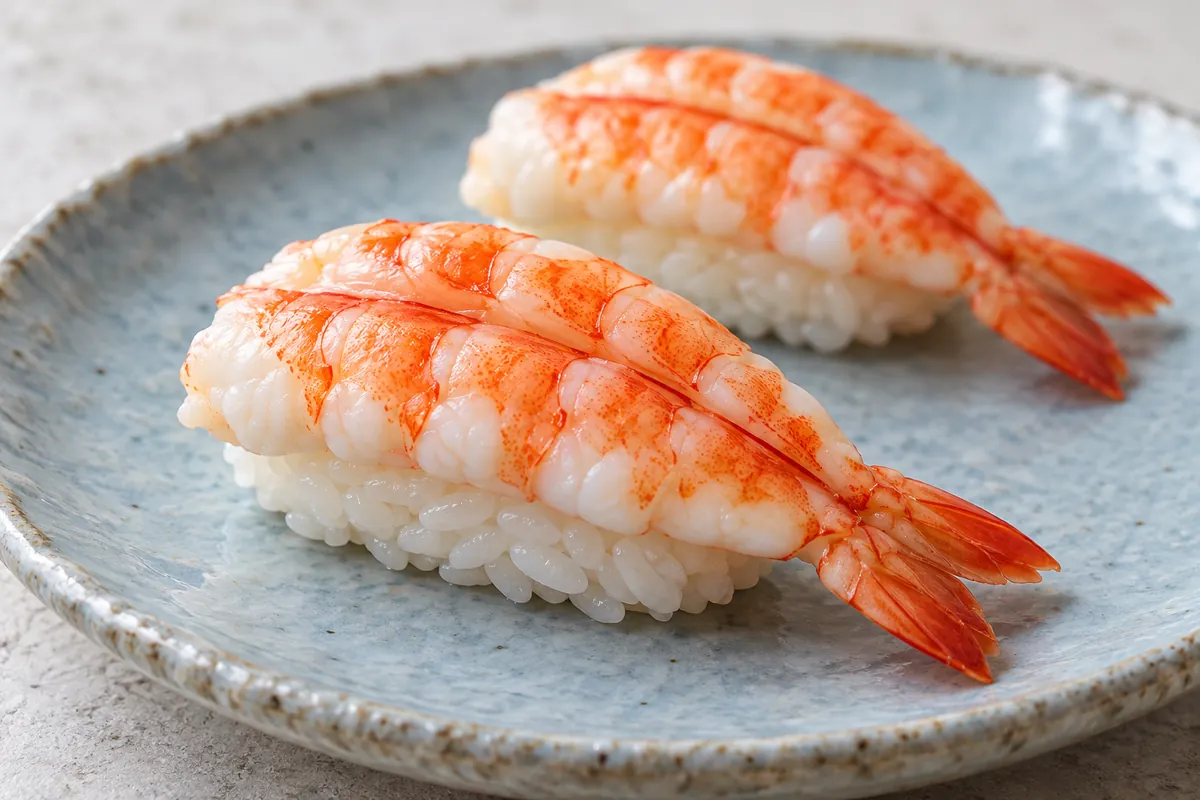
No. Shape does not determine cooking. Nigiri may use raw fish or a fully cooked topping such as shrimp. Maki may contain raw fish, cooked seafood, vegetables or a combination.
Our cooked shrimp nigiri recipe is an example of nigiri without raw fish. Conversely, enclosing raw fish in a roll does not cook it. Light surface searing also does not guarantee a cooked center.
Which Should You Order?
| If you want… | A practical starting point | What to ask |
|---|---|---|
| A simple topping-and-rice combination | A plainly prepared nigiri piece | Is there wasabi or sauce already on it? |
| A vegetable filling | A cucumber or other vegetable roll | Are the sauces and other ingredients suitable for your diet? |
| Fully cooked seafood | Cooked shrimp nigiri or a roll with fully cooked filling | Is every seafood component fully cooked? |
| Several textures in one bite | A roll with clearly described fillings | Which ingredients are fried, creamy or crunchy? |
| A small tasting of several fish | A selection of individually identified nigiri | How many pieces and which toppings are included? |
For a first order, choose by ingredients you already enjoy. Someone who likes cooked shrimp may prefer shrimp nigiri; someone who wants vegetables may prefer a simple vegetable maki. Raw-fish tolerance is a separate decision from choosing a sushi shape.
Which Has More Rice, Calories or Carbs?
There is no universal winner. A piece of nigiri, one slice of a thin roll and a whole large roll are different portion sizes. Comparing their names without comparing quantities can be misleading.
Check the number of pieces, the total rice portion, the seafood or vegetable filling, and extras such as fried coating, sweet glaze or mayonnaise. Use the restaurant’s nutrition information or a measured recipe for numerical comparisons. This guide does not assign a fixed calorie value to every piece.
Is Nigiri More Expensive Than Maki?
Prices depend on the restaurant, ingredient, portion and menu format. Two nigiri pieces cannot be compared fairly with a whole roll just by looking at the price. Read the piece count and filling description before deciding which order gives you the meal you want.
How to Eat Nigiri and Maki
Chopsticks or clean hands can be used. Japan’s official sushi etiquette guidance advises touching the fish topping, rather than the rice, to soy sauce when dipping nigiri. This helps keep the rice together.
For a cut roll, use a light touch with sauce rather than soaking the piece. Taste pre-seasoned sushi before adding more, and follow the chef’s guidance. Eat a piece in one bite when comfortable; there is no reason to force an oversized piece.
Nigiri vs Maki vs Sashimi
Nigiri and maki include sushi rice; sashimi is served without it. Sashimi is therefore a different comparison from two sushi shapes. See our nigiri vs sashimi guide for the detailed rice-and-topping distinction.
Making Them at Home
Both styles require attention to the rice and ingredients. Nigiri asks you to form a small mound gently and fit a topping over it. Maki asks you to spread rice, position filling, roll evenly and cut without crushing the result. Neither is automatically easy simply because its ingredient list is short.
If you want measured instructions for a cooked topping, start with our shrimp nigiri recipe. This comparison is a menu and technique guide rather than a separate recipe.
Raw Seafood Safety
The FDA recommends thoroughly cooking seafood to reduce foodborne-illness risk. Freezing can address parasites but does not kill every harmful germ. Pregnant people, children, older adults and people with weakened immune systems should avoid raw or undercooked seafood.
A roll is not safer merely because the fish is hidden inside it. Ask about ingredients and preparation, and keep perishable sushi refrigerated until serving.
FAQS
What is the main difference between nigiri and maki?
Nigiri is a hand-shaped mound of vinegared rice with a topping. Maki is rolled sushi, usually cut into pieces.
Are nigiri and maki both sushi?
Yes. Both use sushi rice. They differ mainly in how rice and the other ingredients are assembled.
Does maki always have seaweed outside?
Classic nori-wrapped maki has seaweed outside, but uramaki is an inside-out style with rice outside the nori.
Is nigiri always raw fish?
No. Nigiri can have a fully cooked topping, such as cooked shrimp, or an omelet topping. Check the preparation of the particular piece.
Can maki contain cooked fish?
Yes. Maki fillings can be raw, fully cooked or vegetable-based. The word maki describes the rolled form, not cooking.
Which is better for beginners, nigiri or maki?
Choose ingredients and textures you already enjoy. Cooked shrimp nigiri and simple vegetable rolls are possible starting points; ask about sauces and preparation.
Does nigiri have fewer carbs than maki?
Not necessarily. Compare the actual rice quantity and portion size. One piece of nigiri, one roll slice and a whole roll are not equivalent servings.
What is the difference between nigiri, maki and sashimi?
Nigiri has a topping over sushi rice, maki is rolled sushi, and sashimi is served without sushi rice.
1 thought on “Nigiri vs Maki: What’s the Difference? A Simple Sushi Guide”